Home textiles · Choosing and caring
Choosing a Lightweight Throw for Layered Comfort
The right throw brings warmth, texture, and a little extra comfort without making a room—or the person wrapped in it—feel weighed down. Here’s how to choose a light layer that looks at home on a sofa, at the end of a bed, or wherever a quiet moment happens.
A throw is one of the most flexible textiles in a home. It can warm your shoulders during a cool evening, soften the look of a neatly made bed, or sit within reach on the arm of a favorite chair. Yet the best one isn’t necessarily the thickest or the plushest. For everyday layering, the goal is a satisfying balance: enough coverage to feel comforting, enough airiness to stay easy to move, and a drape that looks relaxed rather than bulky.
That balance comes down to a few practical details. Consider where you’ll use the throw, what kind of warmth you want, how its fiber and weave feel against the skin, and how much care it will need. A well-chosen piece can move from sofa to bed and from season to season, adding comfort without asking for much attention.
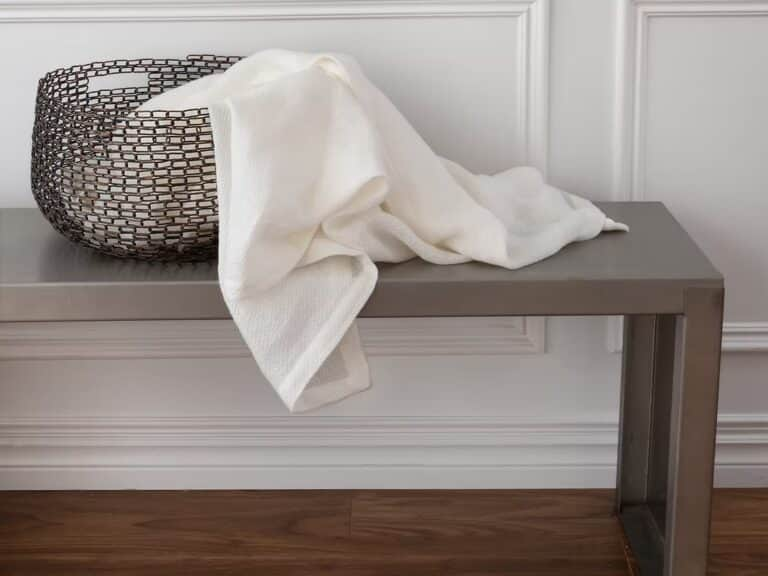
The St Geneve Avalon Linen Throw offers a useful example of how those details work together. Made from 100% linen, it is woven in Portugal and sewn in Canada. Its honeycomb weave creates a distinctive surface, while the throw’s airy texture and graceful drape suit relaxed layering. Looking closely at its construction and care guidance can help clarify what to look for in a lightweight throw generally.
Start with where the throw will live
Before focusing on color or texture, picture the throw in its usual setting. The right size, weight, and finish depend in part on whether it will be used on a sofa, a bed, or a chair—and whether it’s meant to be reached for often or mostly to complete a room.
- For a sofa: Choose a throw that is large enough to cover your lap or shoulders, but still easy to fold and keep nearby. A fabric with some drape will rest naturally over an arm or back without looking stiff.
- For a bed: Think about the throw as an extra layer rather than a replacement for bedding. Placed across the foot of the bed, it can introduce texture and provide a handy bit of warmth when needed.
- For a reading chair: Prioritize ease of movement and a comfortable feel. A compact, lightweight throw is convenient to pick up, unfold, and put away.
- For shared spaces: Consider whether the piece can be used in several ways. A versatile throw is more likely to earn its place if it works for lounging as well as styling.
Dimensions are part of that decision. The Avalon throw measures 49 by 70 inches, giving it useful coverage for lounging or layering. When comparing sizes, think about how you actually like to use a throw: folded across your lap, wrapped around your shoulders, or spread over part of a bed. A generous size may feel more versatile, but it can also take up more room when folded or washed.
A simple test is to imagine picking it up with one hand. If it seems easy to lift, unfold, and drape, it is more likely to feel effortless in daily use. A throw meant to stay in one place can be more substantial; one that travels from room to room should feel manageable.
What “lightweight” should feel like
Lightweight does not have to mean insubstantial. A good light throw can feel soft and reassuring without trapping too much warmth or creating a heavy bundle. The precise sensation varies from one person to another: some prefer a crisp, breathable layer, while others want a little more weight over their legs.
Fiber content is one part of the story. Linen is made from flax and is valued for its distinctive texture and natural drape. It can feel cool and dry to the touch, and its surface often has a relaxed, gently irregular character. These qualities make linen an appealing choice for people who want a layer that feels breathable rather than plush. The actual feel depends on the yarn, weave, finish, and construction, so fiber labels are a starting point—not a complete description of comfort.
Other materials bring different experiences. Cotton can range from smooth and crisp to soft and fluffy, depending on how it is spun and woven. Wool often offers more insulating warmth, while certain blends combine characteristics of more than one fiber. There is no universally best option: the right choice is the one that fits your climate, preferences, and routine.
It’s also worth separating warmth from weight. A thick throw may feel cozy but can be too much for a mildly cool room. A more open textile can add a comfortable layer while leaving room for air to move. If you tend to overheat, or want something to use across multiple seasons, a breathable, easy-to-layer construction may be more useful than a dense, heavy one.
Why weave changes the experience
Fiber tells you what the textile is made from; weave helps explain how it is built. The arrangement of yarns affects a throw’s texture, flexibility, surface, and drape. Two textiles made from the same fiber can feel quite different if their structures differ.
A honeycomb weave, like the one used for the Avalon, has a textured, dimensional surface. That structure gives the fabric visual interest and helps it feel less flat than a plain, smooth weave. It also contributes to the throw’s airy character and relaxed drape. In a room, the pattern can create a subtle point of contrast even when the color is restrained.
Construction matters in practical ways, too. A textured weave may catch the light differently across its surface, while a looser structure can feel more flexible. At the same time, delicate-looking texture doesn’t automatically mean a textile is fragile. Durability depends on the quality and strength of the yarns, how the fabric is woven, the finishing, and how it is cared for.
When examining a throw, look beyond the name of the weave. Notice whether the surface feels pleasant against your skin, whether the cloth bends easily, and whether the edges appear neatly finished. The Avalon has a one-inch self hem and mitered corners, details that give its edges a considered finish. Small construction choices like these can influence how polished a throw looks when it’s folded over a chair or laid across a bed.
If you are shopping in person, touch and gently fold the fabric. If you are shopping online, look for clear descriptions of fiber content, dimensions, construction, and care. These details are more useful for predicting everyday performance than a general promise of softness or luxury on its own.
Drape gives a room its relaxed finish
One of the easiest things to notice about a throw is the way it falls. A piece with graceful drape settles into soft folds over a chair arm or across the foot of a bed. A stiffer textile may hold its shape more firmly, which can be attractive in a tailored setting but less suited to casual, movable layering.
Drape is shaped by the interaction of fiber, weave, yarn, and finishing. Linen’s characteristic hand can give it a naturally relaxed appearance, while a honeycomb structure adds depth without requiring a busy pattern. For a room that already has patterned bedding or upholstery, that quiet texture can be enough to make a simple layer feel intentional.
Styling does not need to be complicated. Fold a throw lengthwise and place it neatly at the foot of the bed, or let one end fall over the side for a softer look. On a sofa, fold it over the back or arm so it remains easy to reach. For a chair, a casual drape can make the seat feel inviting while keeping the fabric available for use.
Try not to make the throw look too precious to touch. It is, after all, a comfort textile. A natural, softly rumpled finish can suit linen particularly well. The aim is a room that feels cared for, not a display that has to remain perfectly arranged.
Choose color and texture for the room you have
A throw can tie together the colors already in a room or introduce a quiet change of tone. Natural white, for example, can sit comfortably alongside neutral bedding, wood furniture, and a range of upholstery colors. A stronger shade can make a small accent feel more deliberate, while a textured weave adds interest without relying on contrast.
Think about how the throw will look in different settings. On a bed, it may sit against sheets and a duvet cover. In a living room, it might share space with a patterned cushion or a textured sofa. If you want flexibility, choose a color that complements several things you already own. If the throw is meant to be a focal accent, it can be more distinctive—but it should still feel at home when used rather than simply displayed.
Texture can be just as important as color. Smooth fabrics may make a room feel crisp, while a woven surface can add warmth and dimension. A honeycomb weave brings a gentle rhythm to a space without demanding attention. That makes a textured, light throw a practical way to layer a room that feels a little too plain without adding another large pattern.
Make care part of the decision
The most beautiful throw is less useful if caring for it feels like a chore. Before choosing a textile, read its care instructions and consider how those directions fit your household. A throw used every day may need more frequent washing than one kept mainly for occasional layering.
For the Avalon, the care guidance emphasizes giving linen enough room in the wash, using plenty of water, and avoiding an overloaded machine. It recommends using a small amount of detergent and avoiding fabric softener, bleach, detergents containing bleach or whiteners, and alkaline detergents. The guidance also advises against hot settings and over-drying, and recommends medium-temperature washing and drying. Always follow the instructions supplied with the specific textile, since care requirements can differ between products.
Some habits can help protect textured throws during laundry. Wash similar items together when practical, leave room for movement in the drum, and avoid mixing the textile with items that have hooks or rough fastenings that could snag it. A fabric bag is recommended in the Avalon care guidance as an added precaution against snags. Use only a small amount of detergent, because excess product may not rinse out completely and can build up in the fabric.
Drying gently is important for many natural-fiber textiles. High heat and prolonged drying can be harder on fibers and may affect how a fabric feels or fits. Don’t leave a throw in the dryer longer than needed. If you prefer to air-dry, make sure it can dry fully and evenly. When in doubt, the product’s own directions should take precedence over general advice.
These steps may sound detailed, but a gentle routine can become simple with practice. The payoff is a throw that stays pleasant to use and keeps its appearance through ordinary wear. A little room in the wash and a lighter hand with detergent are often easier than trying to reverse buildup or damage later.
Think about longevity, not just first impressions
A throw is a home textile you may reach for repeatedly, so it makes sense to look beyond the first touch. Ask whether the dimensions suit your intended use, whether the surface is comfortable, and whether the care directions seem realistic. A well-made throw that fits your routine can be more satisfying over time than one chosen only because it looks appealing in a product description.
Natural linen can change in feel with use and washing. Some linen bedding becomes softer with repeated laundering, although the experience varies with the fabric and how it is cared for. That gradual lived-in quality is part of linen’s appeal for many people: it can look relaxed rather than pristine, and it often feels at home in rooms that favor natural materials and understated texture.
Consider the complete construction, too. Strong, neatly finished edges can help a throw keep a clean outline, while careful laundering helps reduce unnecessary strain. For the Avalon, the product information includes a one-year warranty against defects in materials and workmanship, provided the care instructions have been followed. Warranty terms are worth reviewing for any textile purchase, since they clarify the manufacturer’s stated coverage.
Responsibility is another factor some households consider. The Avalon is described as being made with attention to sustainable practices, though general claims are not a substitute for specific information about materials and production. If environmental impact is important to you, look for transparent details about fiber sourcing, manufacturing, certifications, and care life. Choosing a textile you expect to use for a long time can also make the purchase feel more considered.
A quick checklist before you choose
When comparing lightweight throws, use a short list of questions to keep the decision grounded in everyday comfort:
- Where will it be used? Match the size and feel to a bed, sofa, or chair.
- How much warmth do you want? Choose a light layer for flexible comfort, or a denser textile if you need more insulation.
- What is it made from? Check the fiber content and consider how that material typically feels and drapes.
- How is it constructed? A weave such as honeycomb can add texture and influence flexibility and surface character.
- Does it have a finish you like? Check the edges, corners, and overall feel, not just the color.
- Are the dimensions practical? Make sure it provides the coverage you want without becoming awkward to fold or store.
- Can you follow the care instructions? Check washing, drying, and detergent recommendations before deciding.
- Will it work with your existing textiles? Consider the bedding, upholstery, and colors already in your home.
This checklist is useful whether you are considering linen or another fiber. It shifts attention away from vague claims and toward the details that shape comfort: how the throw feels, how it falls, and how easily it fits into your life.
The comfort of a layer that earns its place
A lightweight throw can be a small addition with a surprisingly useful role. It brings an extra measure of warmth when the room feels cool, adds texture when a bed or sofa needs a softer finish, and remains easy to move when comfort changes. The best choice is one that feels good in your hands and makes sense in the space where you plan to use it.
The St Geneve Avalon Linen Throw illustrates how fiber, weave, and finishing come together in that experience. Its 100% linen construction, honeycomb weave, 49-by-70-inch dimensions, and airy drape make it a clear example of a throw designed for relaxed layering. Its care guidance is also worth considering as part of the overall decision—not as an afterthought.
Whether you choose linen or another material, pay attention to the details that make a throw genuinely practical: useful coverage, comfortable warmth, appealing texture, easy movement, and care you can manage. When all of those pieces come together, a throw becomes more than a decorative extra. It becomes the layer you reach for without thinking twice.
Frequently asked questions
Is a linen throw warm enough for everyday use?
A linen throw can provide a light layer of comfort, but warmth depends on the fabric’s construction, the room temperature, and your own preferences. It may suit lounging or gentle layering without the bulk of a heavier blanket. If you need substantial insulation, consider using it with other bedding or choosing a more insulating textile.
What does a honeycomb weave add?
A honeycomb weave creates a textured, dimensional surface rather than a completely flat one. It can give a throw visual depth and contribute to an airy, flexible feel. The exact hand and performance still depend on the fiber and the way the fabric is made.
How should I keep a linen throw from feeling stiff?
Follow the product’s care directions, use an appropriate amount of detergent, and avoid overdrying. Linen’s feel can evolve with use and washing, but results vary by construction and finishing. Fabric softener is not always recommended; for the Avalon, the care guidance specifically advises against using it.
Can a lightweight throw be used on a bed?
Yes. A lightweight throw can sit at the foot of a bed as an accessible extra layer or serve as a textural accent. Consider its dimensions and how it relates to the duvet and sheets, and keep it easy to lift and fold if you expect to use it often.
What matters more: fiber or weave?
Both matter, and neither explains the whole experience by itself. Fiber influences the textile’s basic character, while weave and finishing affect texture, flexibility, and drape. Look at all of these details together, then weigh them against where and how you plan to use the throw.