The Linen Spectrum: From Historical Origins to Modern Care and Sustainability
A stylish, editorial deep-dive into linen’s journey from ancient fiber to contemporary, eco-conscious fabrics. Explore origins, production pathways, practical care, and the ethical sourcing decisions shaping today’s linen landscape. Along the way, meet pivotal figures who shaped textile history and learn how to choose and care for linen with an eye toward sustainability.
Origins: The Long, Linen-Legendary lineage
Linen’s story begins in the dawn of agriculture, with flax plants swaying along riverbanks and in sunlit fields. The fiber’s tale is stubbornly patient: retting to separate the fiber from the woody core, then spinning, weaving, and finishing into fabrics that could be woven into sheets, table linens, and garments. Ancient civilizations—Egyptians, Mesopotamians, and later European cultures—treasured linen for its cool touch, durability, and capacity to endure the test of time. In many cultures, linen attire and textiles were symbols of status and sophistication, and linen’s resilience earned it a place in palaces and households alike.
Regions with long-standing linen traditions—Belgium, Ireland, France, and parts of the Netherlands—became synonymous with quality flax and meticulous production. Belgian flax, in particular, has become a shorthand for premium linen in modern markets, celebrated for its long fibers, smooth hand, and pronounced drape. The historical arc of linen also intersects with trade routes, innovations in dyeing and finishing, and evolving understandings of fabric science that continue to influence how we select and treat linen today.
From Fiber to Fabric: The production path of linen
Turning flax into linen is a multi-stage process that hinges on the health of the plant and the care taken in each step. It begins with selecting high-quality flax varieties bred for long fibers. Harvested flax stems undergo retting, a controlled decomposition that frees fibers by breaking down pectin and other binding substances. Retting methods have ranged from dew retting in open fields to water retting in ponds or ponds-like settings; today’s best practices emphasize environmental stewardship and reduced water use.
After retting, the fibers are scutched and hackled to separate long, strong fibers from the shorter ones. The resulting filament is spun into thread, then woven on looms to create fabrics with a distinctive crispness and natural texture. Finishing steps—such as stone washing, bleaching, or calendering—affect hand feel, drape, and sheen. Each stage contributes to linen’s signature character: a fabric that improves with use, softening and developing a graceful patina over time.
In contemporary practice, ethical sourcing and sustainability are central themes. Farms and mills that prioritize organic cultivation, transparent supply chains, and low-impact processing are increasingly valued by consumers who want linen that aligns with environmental and social ethics. Certifications like GOTS (Global Organic Textile Standard) and careful scrutiny of fiber origins—Belgian or Irish flax, for instance—help buyers make mindful choices that reflect a commitment to people and planet.
Care and maintenance: Keeping linen’s texture and integrity intact
Linen is famously forgiving and resilient, but its care requires a nuance that respects its natural fiber characteristics. The fabric’s hollow flax fibers offer excellent moisture management, which translates into breathability and a cool touch against the skin. Proper care keeps linen sheets, duvet covers, and throws looking crisp and feeling comfortable for years to come.
Washing: Linen loves a gentle wash at moderate temperatures. Avoid harsh detergents and rely on mild, eco-friendly formulations to preserve fiber integrity. Pre-treat stains with patience and avoid aggressive rubbing to minimize fiber wear.
Drying: Air-drying is ideal for preserving the fabric’s texture and preventing excessive wrinkling. If you use a dryer, opt for a low heat setting and remove promptly to reduce set-in wrinkles.
Ironing: Linen responds well to a warm iron while slightly damp. For a crisper finish, iron on the reverse side with a light hand and use a pressing cloth if needed.
Storage: Keep linen in a cool, dry place away from direct sunlight to prevent yellowing and fiber fatigue. A breathable cotton bag can help protect pieces without trapping moisture.
Care clarity is especially important for premium linen items—like Naturepedic’s Organic Linen Duvet Cover Sets—that emphasize breathability, durability, and organic production. The care regimen for these pieces is designed to preserve the delicate balance between softness and structure, ensuring a relaxed yet refined feel with every wash.
Sustainability and ethical sourcing: What to look for
Today’s linen conversations pivot on environmental footprint, traceability, and fair labor practices. Sustainable linen begins with organic flax cultivation, minimizing chemical inputs and preserving soil health. Certifications like GOTS ensure that textiles meet strict environmental and social criteria from field to finished product. Regional fiber origins—Belgian and Irish linen, for example—are not only about flavor and tradition but also about robust supply chains and regional agricultural ecosystems that prioritize sustainability.
Ethical considerations extend to the people involved in every stage of production. Transparent supply chains give consumers confidence about fair wages, safe working conditions, and responsible processing. In the bedding category, premium options like Naturepedic Organic Linen Sheets illustrate how ethical sourcing and quality textiles intersect to deliver products that are good for sleepers and good for the planet alike.
To make mindful choices, readers can explore product sheets, certifications, and third-party audits. When possible, seek flax origins, manufacturing footprints, and end-of-life disposal strategies. Linen’s longevity is a virtue here: a single high-quality linen sheet set that lasts for years can reduce waste and environmental impact compared with cheaper, short-lived alternatives.
Key personalities who shaped linen’s story
Hypatia of Alexandria (c. 350–415 AD)
Though best known as a mathematician and philosopher, Hypatia’s era marked a flourishing of scholarly exchange about textiles among scholars in the Mediterranean world. In the late antique world, linen garments and textiles were symbols of knowledge and refinement. Hypatia’s era reminds us that linen’s cultural significance runs deep—across science, philosophy, and daily life—long before modern factories and mills.
Leonardo da Vinci (1452–1519)
Leonardo’s notebooks reveal a mind that explored materials and textures with scientific curiosity. While linen features in historical textiles practices dating back centuries, Leonardo’s era embodies the fusion of craft and inquiry that propelled textile science—an early reminder that linen’s performance has always rested on a blend of empirical experimentation and artisanal skill.
Marie Curie (1867–1934)
Marie Curie’s pioneering work in radiochemistry and physics symbolizes a broader 20th-century emphasis on scientific rigor and ethics. While not directly tied to linen, Curie’s legacy underscores the modern approach to textile science: rigorous testing, durability studies, and a commitment to safety and sustainability—values that modern linen producers increasingly adopt to ensure products meet exacting standards while minimizing environmental impact.
Georgina Chapman (b. 1974) and the modern design wave
Georgina Chapman, among others in contemporary fashion and design, represents the contemporary moment where linen is celebrated for its natural beauty, versatility, and sustainable potential. The modern design discourse embraces linen not just for bedding but for fashion, interiors, and lifestyle goods—pushing forward ethical sourcing and innovative finishing techniques that enhance the fabric’s environmental narrative.
Featured product: Naturepedic Organic Linen Duvet Cover Sets
Naturepedic Organic Linen Duvet Cover Sets
Price: $549.00
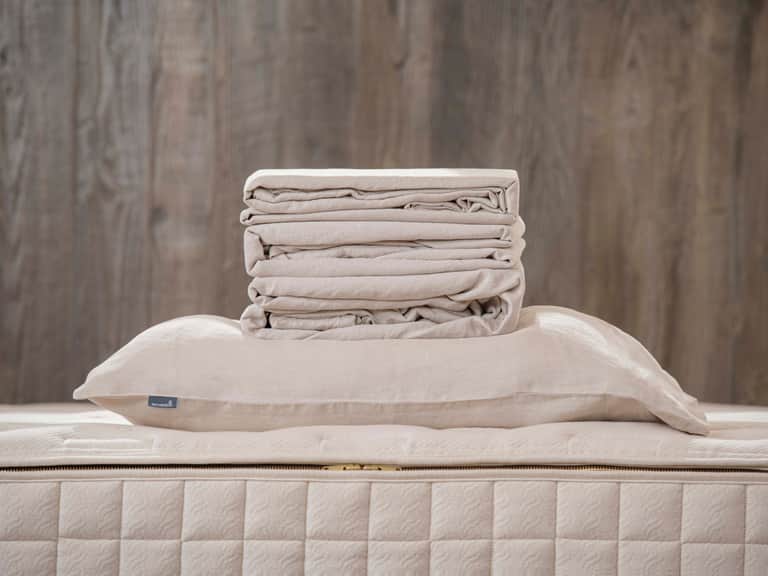
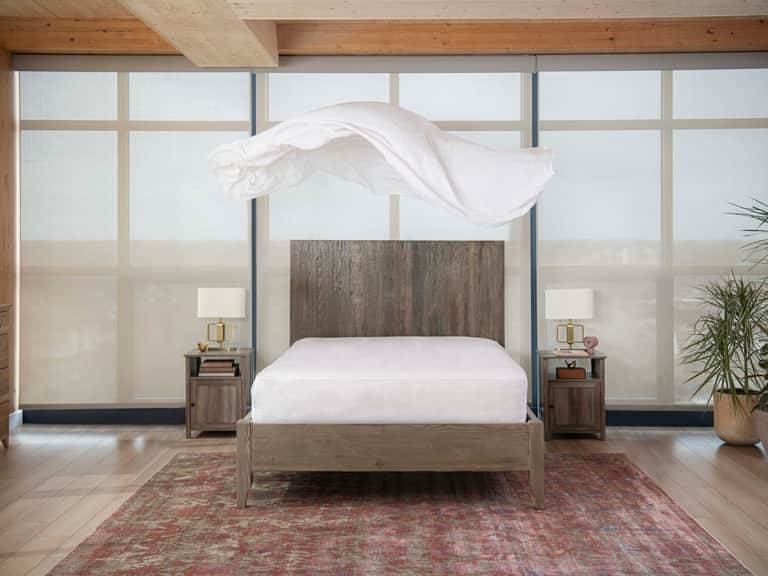
Expertly woven for breathable comfort, Naturepedic's Organic Linen Duvet Covers offer a premium sleeping surface. Crafted from certified organic flax grown in France, the linen’s hollow fibers deliver exceptional breathability and moisture-wicking, keeping you cool in the heat and comfortable when temperatures dip. Stone-washed for durability and finished in earth-toned hues, these duvet covers pair beautifully with organic linen sheets for a cohesive, toxin-free sleep environment.
Key features: GOTS-certified organic flax, envelope closures, corner ties to keep the duvet in place, and a fabric weight designed for year-round comfort. The set typically includes a duvet cover and two pillow shams, with sizes in Full/Queen and King/California King.
Glossary: Linen terminology you’ll want handy
retting: the process of loosening the fibers from the plant stalks to separate the long linen fibers from the rest of the plant material.
scutching and hackling: mechanical steps to remove debris and align fibers for spinning.
GOTS: Global Organic Textile Standard, a leading certification for organic textiles ensuring environmental and social criteria are met.
calendering: a finishing process that gives linen a smoother surface and desired sheen.
ballast and drape: terms describing linen’s natural stiffness when new and how it relaxes and drapes with use and washing.
A glimpse into a linen-centric content calendar
To sustain a rich, informative site, consider a cadence of long-form primers, expert interviews, and practical guides. A sample 3-month content calendar might include topics like: a historical primer on Irish linen, a guide to choosing linen bedding across seasons, a piece on sustainable flax farming, and interviews with textile historians or artisans. The aim is to create a robust taxonomy of history, production, care, types, and sustainability that readers can explore deeply over time.
Enjoy cooler, drier nights and cozy warmth year-round with breathable, moisture-wicking organic linen that softens with every wash. Sustainable French flax, GOTS-certified, allergy-friendly, and effortlessly durable for a luxurious sleep.
Sleep cooler and drier in summer, warmer in winter with breathable, moisture-wicking linen that adapts to you; softens with every wash, durable, and free from harsh chemicals for a healthier, luxurious feel night after night.
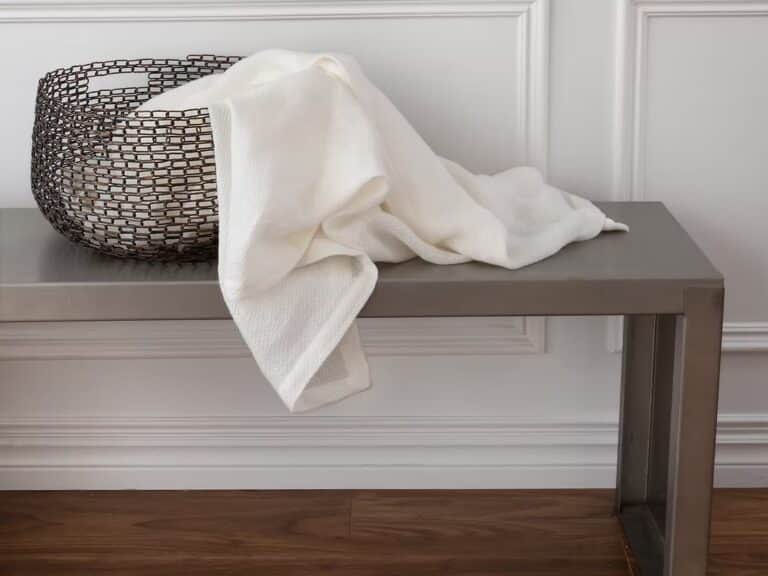
Wrap yourself in Avalon’s lightweight, airy linen for calm, cozy moments—soft drape, natural white elegance, and enduring comfort that feels good to own or gift. Sustainably crafted for lasting warmth and easy care.