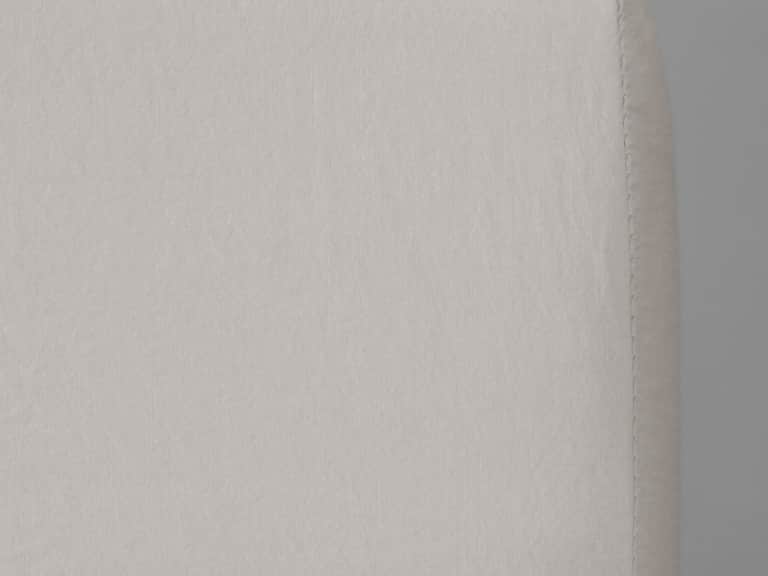
A tablecloth changes the mood of a meal before the first plate arrives. With linen, the shift is especially tangible: the fabric’s weave, weight, finish, and easygoing creases all affect how a dining table looks and feels. Libeco’s linen heritage offers a useful lens for noticing those details—and for choosing a cloth that works as beautifully in daily life as it does on a special occasion.
The quiet influence of a linen tablecloth
Some table settings announce themselves with shine, sharp symmetry, and a polished finish. Linen has another kind of presence. It brings a subtle, tactile quality to a table: a softly irregular surface, a natural-looking drape, and a relaxed character that can make a formal dining room feel more welcoming. The effect is not simply decorative. Fabric sits between the table and everything placed on it, shaping the setting’s visual rhythm and its everyday practical feel.
That’s part of what makes linen table linens so compelling. They can look considered without seeming stiff. A plain cloth in a quiet neutral can give glassware, ceramics, or a centerpiece room to stand out. A more pronounced weave or color can become the setting’s main point of interest. Either way, linen tends to feel like a material with a story written into its surface: small variations, soft creasing, and a texture that catches light differently from smooth, uniform fabric.
Libeco is a natural reference point for exploring that character because its identity is associated with linen-making heritage. The name invites a closer look at the qualities that matter in a tablecloth—not just the shade or pattern, but what the cloth is made of, how it is woven, and how it behaves once it is spread over a table.
Start with the table, not the color
It is tempting to choose a linen tablecloth by imagining the finished setting: a favorite dinnerware collection, candlelight, perhaps a holiday meal. Before settling on color, though, take a few practical measurements. The table’s length and width determine how much fabric is needed, while its height and the desired drop help establish how the cloth will hang.
The “drop” is the amount of tablecloth that falls past the edge of the tabletop. A shorter drop often feels casual and practical, especially on a table used for daily meals. A longer drop can create a more generous, dressed-up look. Neither is automatically more elegant; the right proportion depends on the table, the room, and how people move around it. A cloth that nearly reaches the floor may look dramatic, but it can be inconvenient if it catches on chairs or gets pulled during a meal.
For a rectangular or square table, measure across the tabletop in both directions and add twice the intended drop to each measurement. For a round table, measure the diameter and add the drop twice. These measurements provide a useful starting point, but the finished dimensions should always be checked against the tablecloth’s listed size. Remember that laundering and finishing can affect dimensions, so follow the maker’s guidance rather than assuming every cloth will behave the same way.
- Measure the tabletop: Record its length and width, or its diameter if it is round.
- Choose a drop: Consider whether you want a close, everyday fit or a longer, more formal fall.
- Think about the chairs: Make sure the cloth will not interfere with people sitting down or standing up.
- Check the care label: Use the item’s own washing and drying directions when planning for routine use.
Good proportions let the cloth settle naturally instead of looking either undersized or overwhelming. They also make practical use easier: there is room for place settings, but not so much excess fabric that edges become a nuisance.
Weave and weight: details you can feel
Two tablecloths can both be made of linen and still have very different personalities. One may feel airy and light, with a flowing drape that moves easily over the table. Another may have a more substantial hand and a pronounced surface texture. Fiber content matters, but it is not the whole story. Yarn, weave, finishing, and fabric weight all contribute to the finished cloth.
When examining a linen weave, look for how regular or textured the surface appears. A finer, more even construction can create a quieter look, letting the natural character of the fiber provide interest without becoming the focus. A more visible weave can give a table a tactile, rustic, or artisanal quality. These impressions are not strict categories; a weave’s appearance changes with light, color, and the way the fabric is laid.
Weight influences both how a cloth drapes and how it feels to handle. A lighter cloth may fall in softer, more fluid folds and can be convenient to wash and put away. A heavier one may sit with a steadier presence and create a fuller line at the edges. The best choice depends on use as much as preference. For a breakfast table that sees frequent changes, ease of handling may matter most. For a dining room used for gatherings, a cloth with a more substantial feel might suit the atmosphere.
Weight alone does not determine quality or durability. A well-made lightweight cloth can be useful and long-lasting, while a substantial one may need thoughtful handling. If a description includes a fabric weight, treat it as one clue rather than a verdict. Consider it alongside the fiber composition, weave, finish, construction, and care instructions.
A relaxed surface is part of linen’s appeal
Linen is known for creasing. A tablecloth may develop folds while it is stored, shift slightly during use, or gather natural wrinkles after washing. For many people, those creases are not a flaw to eliminate but a recognizable part of linen’s lived-in look. They soften a formal arrangement and keep a carefully set table from feeling too precious to use.
The aim is not to make every fold disappear; it is to decide how much polish the occasion calls for. A cloth can be laid neatly and smoothed by hand for an effortless everyday setting. If a crisper finish is preferred, ironing or steaming may help, provided the care label allows it. Working with the fabric while it is still slightly damp can make creases easier to relax, but the maker’s care directions should always take priority.
Finish matters here, too. A washed or softened surface may feel more relaxed from the start, while a less-treated cloth might have a crisper hand. Descriptions vary, so do not assume that terms such as “softened,” “washed,” or “natural” have identical meanings from one maker to another. When possible, look for clear information about the fabric’s finish and recommended care. The texture in your hands is ultimately more useful than an abstract promise of perfection.
There is a small freedom in letting a linen tablecloth look like it has been used. It can still be clean, cared for, and thoughtfully arranged without being pressed into a flawless plane. A few gentle creases may even make the setting feel more personal—less like a display and more like an invitation to sit down.
Choosing color and pattern for the room
Color changes the emotional temperature of a dining table. Pale neutrals tend to feel open and easy to coordinate, while deeper tones can bring definition and intimacy. A stripe or other pattern adds movement, but it may compete with patterned plates, colorful flowers, or decorative glassware. Think about the whole room, not just the cloth in isolation.
For a versatile foundation, choose a color that works with the table, chairs, and pieces already in regular use. Ivory, flax-inspired shades, and muted neutrals can create a calm background, although the exact appearance depends on the fabric and the light. A darker or more saturated shade can make a simple arrangement feel deliberate. Neither approach is more correct; the goal is a setting that feels coherent and easy to live with.
Pattern deserves the same practical attention. A subtle stripe can add a tailored note without dominating the table. A pronounced design can create a focal point and may call for simpler plates and centerpieces. If the table is small, a strong pattern can feel lively but visually busy; on a larger surface, it may have room to breathe. A sample, if available, can help reveal how a shade reads beside the room’s actual colors.
Consider the cloth in daylight and evening light. Warm bulbs may deepen some tones, while daylight can make others look cooler or brighter. The color of the tabletop showing through, particularly with a lighter or more open weave, can also influence the finished impression. These are small details, but they explain why a tablecloth can seem different in a product description than it does in a home.
Everyday use and special occasions
A beautiful cloth earns its place by being used. Before choosing, think honestly about how often it will be on the table and what happens there. Is the dining table mostly a quick breakfast stop, a homework station, a work surface, or the place where friends gather for long dinners? A cloth selected for frequent use should fit the household’s habits, not just a picture-perfect occasion.
For daily dining, ease of laundering and storage can be as important as appearance. A fabric with a forgiving, relaxed surface may suit a busy household better than one that needs frequent pressing to look the way you want. If meals often involve sauces, oils, or drinks, prompt attention to spills and careful compliance with the care label can help prevent marks from setting. The right routine will depend on the particular fabric, finish, color, and stain—not every mark responds to the same treatment.
For a celebration, a linen tablecloth can provide a softly textured stage for more formal pieces. Layering can add interest, but it need not be complicated. A simple cloth, dinnerware with a distinct shape, and a modest centerpiece may be enough. If using placemats or runners, consider whether their color and texture complement the linen rather than hiding it. A good table setting often feels balanced because each element has space to be noticed.
Some households keep one cloth for everyday meals and another for gatherings; others prefer a single versatile piece. Either approach can work. The practical test is whether you feel comfortable bringing the cloth out, washing it, and using it again. When care feels manageable, an attractive textile is more likely to become part of ordinary life instead of remaining folded away for a rare occasion.
A thoughtful approach to tablecloth care
Care is where a fabric’s beauty and daily reality meet. Linen tablecloths may be washable, but the precise method varies by construction, dye, finish, and manufacturer. Begin with the care label, and use it as the authority for temperature, cycle, detergent, and drying. A general rule of thumb is not a substitute for directions written for the particular cloth.
Before washing, check for stains and treat them in a way that is appropriate for the fabric and the mark. Avoid rough scrubbing that may damage the weave or spread a stain. Washing the cloth with similar colors can help reduce the chance of unwanted color transfer. Do not overload the machine: fabric needs room to move, rinse, and emerge without becoming tightly tangled.
Drying requires a little judgment. Follow the label’s instructions about line drying or machine drying, and avoid excessive heat unless it is specifically permitted. Removing a cloth promptly can make folds easier to manage. If ironing is recommended, check the suggested temperature and whether the linen should be slightly damp. A steamer may also be useful when allowed, but it should be used carefully and kept at a safe distance from hands and other surfaces.
Once clean and fully dry, fold the tablecloth loosely and store it somewhere dry and clean. Avoid putting it away while damp, as trapped moisture can create an unpleasant smell or other storage problems. If creases form in the cupboard, they may be softened by a suitable iron or steamer before the next meal. The goal is consistent, gentle care—not treating a useful household textile as though it must never be touched.
- Read the care label before the first wash and whenever you are unsure.
- Separate colors as appropriate and choose a cycle that matches the instructions.
- Treat stains promptly but gently, using a method suitable for the fabric.
- Dry as directed and avoid leaving a damp cloth folded or bunched up.
- Iron or steam only as permitted, and accept a little natural texture if that suits the look.
What to look for when evaluating a Libeco tablecloth
When researching Libeco tablecloths, approach the choice as a combination of material, proportions, and use. A brand name can point you toward a particular linen tradition, but the item’s own specifications are what help you decide whether it suits your table. Read the details rather than relying on a general impression of what linen ought to be.
First, check fiber content. A tablecloth described as linen may be pure linen or a blend, so confirm the stated composition. Next, look for dimensions, fabric weight if supplied, weave or finish details, and washing guidance. If origin or certification is mentioned, read exactly what is being claimed and what the label or standard covers. Clear product information makes comparison more useful and helps set realistic expectations.
Then picture the cloth at home. Will its weight create the drape you prefer? Does the color coordinate with the table and the dishes you actually use? Is the expected level of creasing acceptable? Can you manage its care routine? Those questions are more revealing than asking whether one tablecloth is universally “best.” The best choice is the one whose character and maintenance fit the way your dining table is used.
It can also help to distinguish a tablecloth from other table linens. A runner covers only part of the surface, while placemats create separate zones for individual settings. Napkins provide another opportunity to echo or contrast with the main cloth. Coordinating every piece is not essential. A few carefully chosen similarities—such as repeated color, a shared natural texture, or a restrained stripe—can tie the table together without making it feel overly matched.
Questions to ask before choosing
Will linen feel too casual for a formal meal?
Not necessarily. Linen’s texture can soften a formal arrangement, but careful proportions, pressed edges, and considered place settings can give it a more tailored feel. If you prefer a relaxed look, leave a little natural creasing in the surface.
Does a heavier cloth automatically last longer?
No. Weight describes one aspect of the fabric, not its entire quality or expected lifespan. Fiber, yarn, weave, construction, finishing, use, and care all matter. Use weight to understand the hand and drape, then consider the rest of the product information.
Should every wrinkle be ironed out?
Only if that is the finish you prefer and the care instructions allow it. Linen is naturally inclined to crease, and a relaxed surface is part of its appeal for many people. Gentle pressing can create a neater look without requiring the cloth to stay perfectly smooth throughout a meal.
How do I know whether a tablecloth is the right size?
Measure the tabletop, decide how far you want the fabric to fall, and compare the resulting dimensions with the cloth’s listed size. Account for the table’s shape and how the hanging edge will interact with chairs and diners.
The character is in the details
A linen tablecloth does more than cover a surface. Its weave lends texture, its weight determines how it settles, and its creases set the tone somewhere between casual and composed. These details are easy to overlook when shopping by color alone, but they are exactly what shape the experience of living with the cloth.
Libeco’s linen heritage provides a starting point for thinking about that experience: the connection between fiber, craft, and the practical rhythms of the home. From there, the choice becomes personal. Measure carefully, compare the fabric details, think through laundering, and choose a finish you will enjoy seeing on an ordinary day as well as at a gathering.
The most successful table setting is not necessarily the most formal or the most elaborate. It is one that welcomes people to the table and feels natural in its surroundings. With a well-chosen linen tablecloth, that welcome begins with the soft fall of fabric, the calm of a considered surface, and the quiet confidence of a textile made to be used.